From Isolation to Belonging: Heather and Kahani’s Story

When Heather first heard about Victory Lane, she wasn’t sure if it was the right fit. She wondered if her family would be accepted. She wasn’t looking for a program as much as she was looking for connection.
Still, she decided to give it a chance.
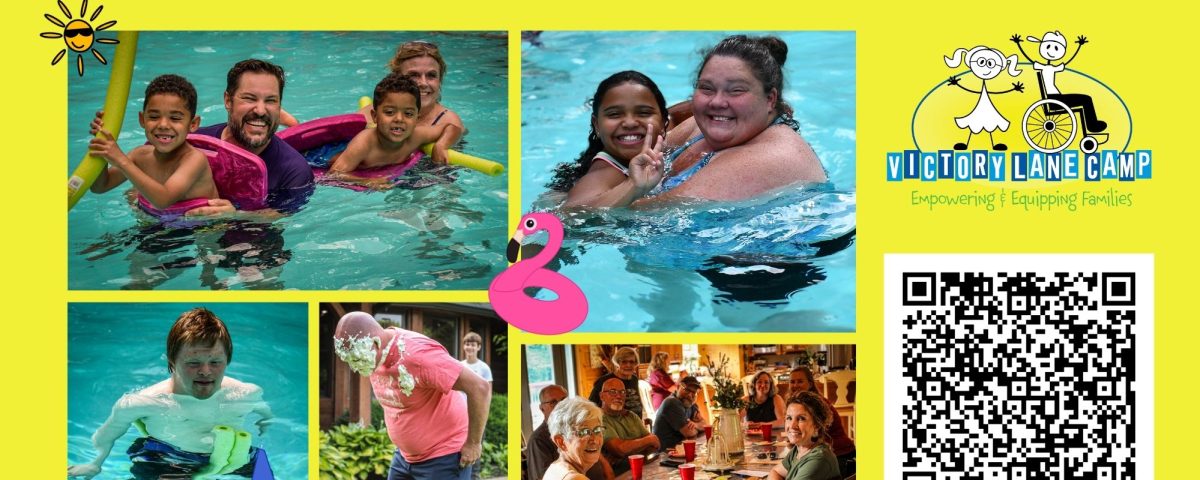
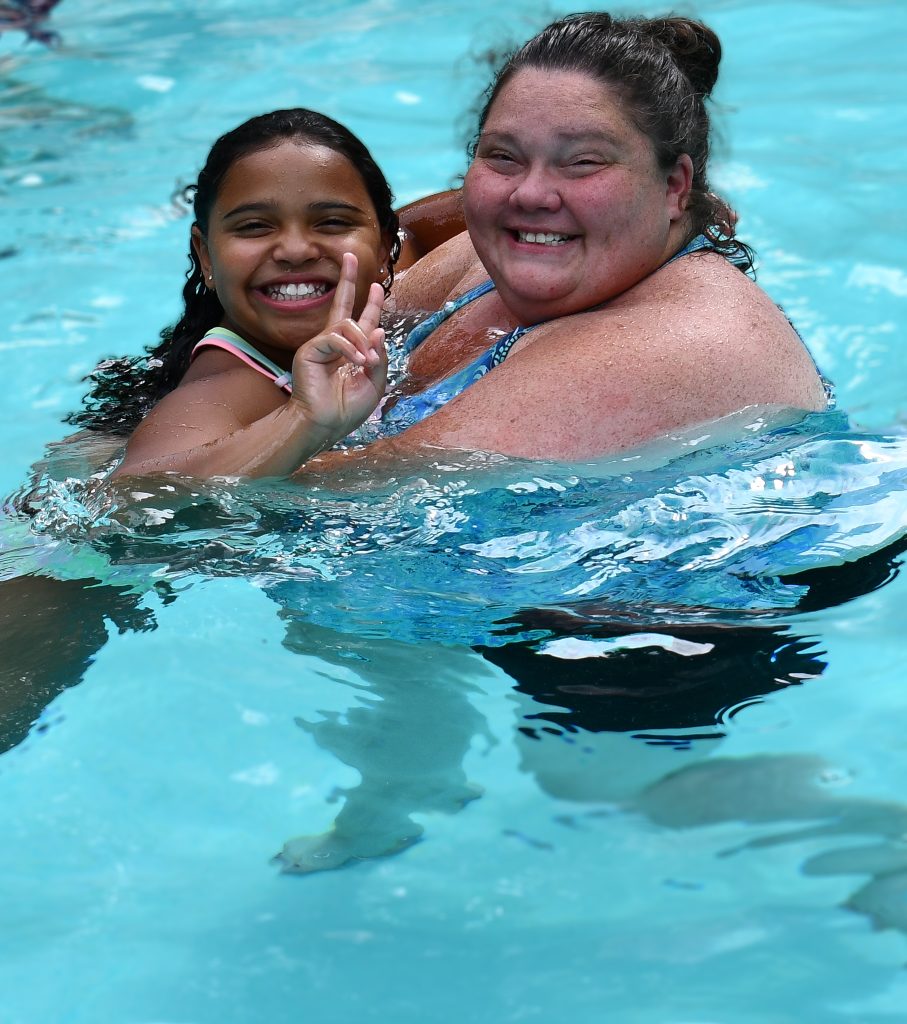
Her family’s first experience was one of Victory Lane’s summer pool parties. While Kahani and his sisters jumped into the water and quickly began making friends, Heather found herself doing something she hadn’t realized she was missing, having meaningful conversations with other parents who understood.
There was no pressure. No need to explain every detail of her family’s situation. Just people who genuinely cared.
When the day ended, they left feeling something they hadn’t felt in a long time: welcomed.
So they came back. They attended another pool party and then another. Before long, they signed up for camp.
That’s where the relationships deepened.
At Victory Lane, families don’t simply attend events together. Parents are intentionally encouraged and equipped to build authentic cross-ability friendships. Victory Families and Partner Families learn how to support one another, ask for help, offer help, and create relationships that continue long after an event is over.
For Heather, those friendships became real.
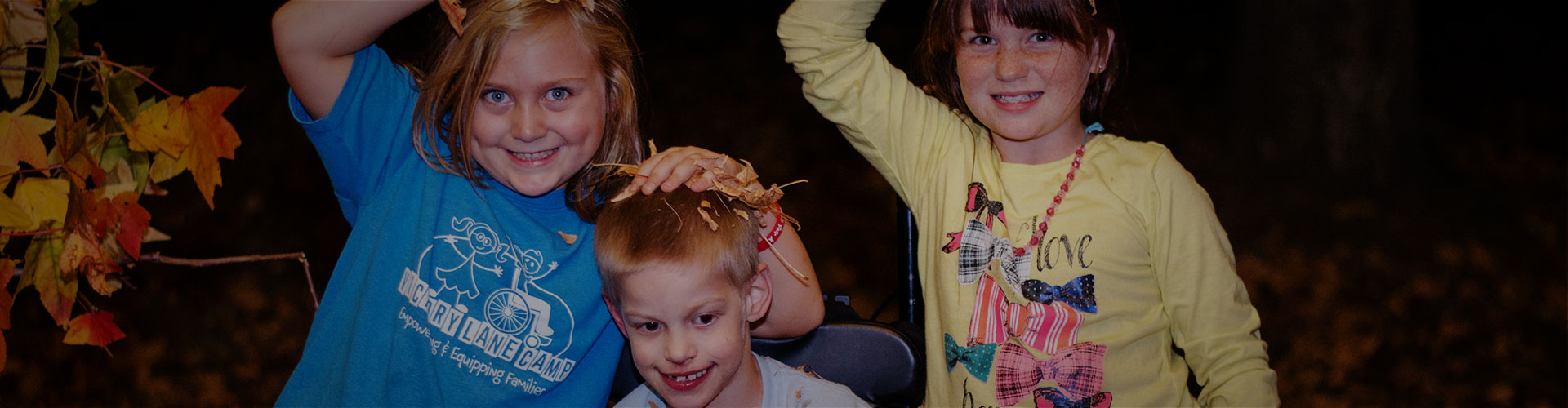
The conversations that started at the pool continued at camp. The connections formed around campfires carried into skating parties and community events. Kahani’s sisters developed friendships with other children. Heather found herself surrounded by people who genuinely cared about her family.
Today, the family rarely misses an event.
What began with uncertainty has grown into a community they call their own.
Their story reminds us of something important: families raising children with disabilities don’t just need services. They need friendship. They need people willing to walk alongside them through life’s challenges and celebrations.
That kind of community doesn’t happen by accident, it happens when ordinary families choose to step toward one another.
Because sometimes the greatest gift we can give isn’t a program or an activity. Sometimes it’s helping someone move from isolation to belonging.
And for Heather, Kahani, and countless other families, that has made all the difference.